 X
X
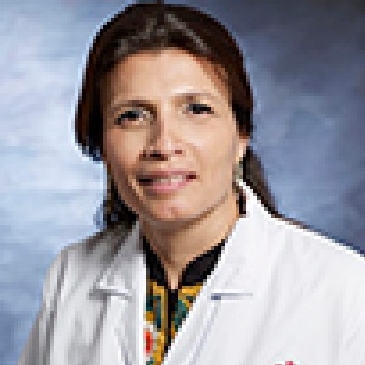
DR ANAITA HEGDE
Neurologist
- Fees: INR 1,650
-
Tuesday 9:00 AM - 1:00 PM
(See all timing)Tuesday 9:00 AM - 1:00 PM,
Thursday 9:00 AM - 1:00 PM
Introduction
Dr. Anaita Hegde is a Pediatric Neurologist at Jaslok Hospital and Research Centre in Mumbai. Dr. Hedge has done M.B.B.S from Seth G.S. Medical College, KEM Hospital, D.C.H and MD from King Edward VII Memorial Hospital, Mumbai, MRCPCH (London), and Fellowship Neurosciences, Institute of Child Health and Great Ormond Street Hospital for Children, London in 2001. Dr. Hedge has postgraduate teaching experience in pediatrics and pediatric neurology at Jaslok Hospital and Bai Jerbai Wadia Children’s Hospital. Dr. Hedge is a member of several national and international neurological societies and also involved in Pediatric Neurology Rural Project from 2010, treating over 5010 patients till date. Dr. Hegde has published several papers in national and international journals. Dr. Anaita Hegde interest area includes pediatric epilepsy, movement disorders, and disability. Dr. Anahita Hegde is active in postgraduate teaching, research studies and conducts a 2 years fellowship programme in Pediatric Neurology for young postgraduates.
Hospital Associations
Jaslok Hospital & Research Centre
Services/Interest
- Pediatric Epilepsy
- Epilepsy Surgery Program
- Neurodegenerative Disorders
- Neurohereditary Disorders
- Neurometabolic Disorders
- Disability-cerebral palsy
- Autism
- ADHD
- Behavior Disorders
- Neurogenetics
- Neuromuscular Disorders Acute Neurology
- Pediatric Stroke
- Movement Disorders
Experience
Dr. Anaita Hegde is one of the top Pediatric Neurologist in Mumbai. She has the following experience: • Pediatric Neurologist for over 15yrs. • Teaching Experience for over 15 & 21yrs respectively at Jaslok hospital &Bai; Jerbai Wadia Children’s Hospital respectively.
I Speak
English, Hindi
Feedback For Dr Anaita Hegde
Write FeedbackJaslok Hospital And Research Centre Timing
Tuesday
9:00 AM - 1:00 PM
Thursday
9:00 AM - 1:00 PM
Online Consultations
Monday
12:00 AM - 11:00 PM,6:30 AM - 10:30 PM,12:00 AM - 11:59 PM
Tuesday
12:00 AM - 11:00 PM,6:30 AM - 10:30 PM,12:00 AM - 11:59 PM
Wednesday
12:00 AM - 11:00 PM,6:30 AM - 10:30 PM,12:00 AM - 11:59 PM
Thursday
12:00 AM - 11:00 PM,6:30 AM - 10:30 PM,12:00 AM - 11:59 PM
Friday
12:00 AM - 11:00 PM,6:30 AM - 10:30 PM,12:00 AM - 11:59 PM
Saturday
12:00 AM - 11:59 PM
What is a neurologist?
Neurology is the branch of medicine that focuses on study and treatment of disorders of the nervous system. A neurologist is a physician who specializes in treating diseases of the nervous system which is made of two parts: the central and peripheral nervous system. It includes the brain and spinal cord.
Before neurologists can practice, they must:
- Graduate from medical school
- Complete an internship
- Receive 3 years of training in a Neurology residency program.
What are the diseases treated by the neurologists?
- Stroke and Neurological trauma
- Tumors of the nervous system
- Infections of the nervous system
- Multiple sclerosis and other autoimmune diseases
- Epilepsy and Headaches
- Peripheral nerve disease
- Neuromuscular diseases
- Dementia
- Movement and Sleep disorders
When should you go and see a neurologist?
A person should go and see a neurologist if he is suffering from:
- Severe headaches and chronic pain.
- Dizziness, numbness or tingling.
- Chronic weakness.
- Problems with movement and vision problems.
- Seizures
- Difficulty in thinking and sleep problems.
What tests are done by a neurologist?
Tests performed by neurologists are Neurological Diagnostic Tests, Brainstem Auditory Evoked Response (BAER) Test, Carotid Duplex (Carotid Ultrasound), Cerebral Angiography (Also Called Vertebral Angiogram or Carotid Angiogram), Computed Tomography (CT or CAT scan), Discography, Doppler Ultrasound, Electroencephalogram (EEG), Electromyography (EMG), Intrathecal Contrast Enhanced CAT Scan, Lumbar Puncture (Spinal Tap), Magnetic Resonance Imaging (MRI), Magnetic Resonance Angiogram (MRA)/Magnetic Resonance Venogram (MRV), Myelogram, Nerve Conduction Study, Oculoplethysmography (OPG), Positron Emission Tomography (PET) Scan, Selective Nerve Root Block, Single Photon Emission Computed Tomography (SPECT) Scan, and Somatosensory Evoked Response (SSER) Test.
What is the difference between neurologist and psychiatrist?
Neurological practice relies on the field of neuroscience, the scientific study of the nervous system while psychiatry is the medical specialty devoted to the diagnosis, prevention, study, and treatment of mental disorders. A neurologist is a physician specializing in the treatment of exogenous (organic) disorders that are caused by organic brain damage, and psychiatrist is a physician that treats endogenous disorders that are not attributable to any external or environmental factor. They are due to biological, physiological, genetic mental reactions, states, and development, which is caused by the internal constitutional disorder.
How to prepare for your first appointment with a neurologist?
Write down the symptoms and other health information, including medications, previous illnesses, allergies, and your family's history of the disease. Make a list of your questions. Have the previous test results sent in advance, or take them with you. Don't be hesitant to ask questions if you're confused about something. Make sure you understand the diagnosis and treatment and any further steps that have been suggested you need to take.